
Creating The Circular Carbon Economy
Odour Control Using Biochar as a Filter Medium
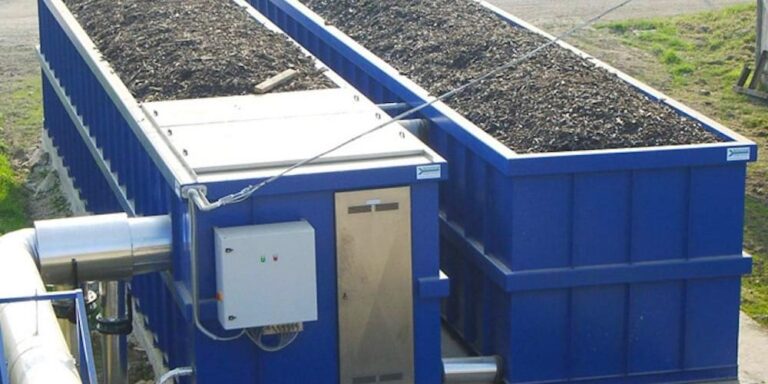
Because the range of chemical compounds that can cause an odour nuisance is very wide, there is no one simple answer to tackling these problems using Biochar. In addition to having a physical structure made up of millions of tiny pores, with a huge internal surface area, the material also has electro-chemical properties which means that it will attract and bind to some substances, and repell others.
- Fact Sheet
- Calculator
- Co-Beneifits
- More Information
This means that the exact nature of the problem oduor must be well understood before Biochar is proposed as a cure. The good news is that techniques are being developed to manipulate the way in which the size, number and distribution of the internal pore structure forms during pyrolysis.
Biochar can alsoo be pre-loaded with some metals to reverse its electrical charge if necessary. As research progresses, the nedd to engineer Biochar for specific uses is being countered by discoveries of different types of biomass which have naturally occuring characteristics.
In practical use, Biochar os already being used to suppress the emission of Ammonium compounds and some votile hydrocarbons in sewage water treatment plants as well as in manure and slyyr management on farms.
As with Biochar used for liquid filtration; when saturated the spend biochar can either be co-composted or re-pyrolysed to destroy potentially toxic elements.
Please be aware that the results shown at the calculator pages are more estimations than exact values.
They are ment to give you a first impression and give some numbers as basis for creating ideas.
No data available at the moment.