
Creating The Circular Carbon Economy
Using Biochar in Concrete to Improve its Properties and Capture Carbon Safely for the Long Term
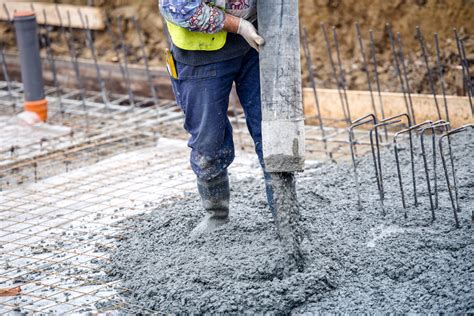
Concrete is the second most used substance on earth after water. Its manufacture releases significant amounts of CO2 into the atmosphere. Biochar offers the opportunity to offset some of these emissions by integrating the material into the mixing stage of concrete in concentrations of between 2-5%.
- Fact Sheet
- Calculator
- Co-Benefits
- More Information
In tests, the addition of Biochar made from waste wood, within this concentration range appear to improve the anti-carbonation properties, chlorid ion resistance, and mechanical strength of the cement-based materials.
Above 10% the structural strength of concrete decreases so should be limited to poured slabs, also the long term effects on steel reinforcing from high concentratins of Biochar are not yet known. Research indicates that the source biomass type and partical size have a significant effect on the material with less than 5% oxidation expected over 100 years.
The presence of other minerals including metals in the source Biochar does not appear to adversely affect the behaviour of concrete meaning that Biochar produced from sources such as dried sewage sludg can be used for this purpose.
Please be aware that the results shown at the calculator pages are more estimations than exact values.
They are ment to give you a first impression and give some numbers as basis for creating ideas.
Greater compressive strength, assisted curing, greater durability, reduced thermal conductivity