
Creating The Circular Carbon Economy
Agricultural Soils
How Biochar Helps Improve Soil Structure and Health, Water Retention and Long Term Carbon Sequestration
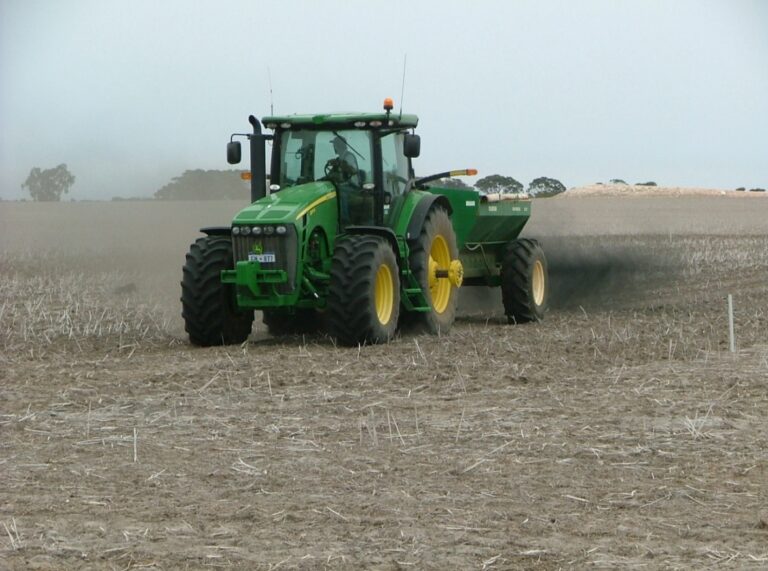
Biochar can be applied directly to the soil, both before crop planting and also over permanent or semi-permanent grassland. Biochar’s microporous structure gives it a internal surface area which allows it to absorb and retain up to five times its own mass of water. This helps reduce crop damage from drought.
- Fact Sheet
- Calculator
- Co-Benefits
- More Information
However, Biochar is also electrochemically charged and will ‘hunt’ for nutrients from the surrounding soil, so if it is applied on its own, crop or grass growth will be reduced for the first 1-2 years. In order to prevent this, Biochar should be applied together with a conventional fertilizer in the first year, with the ammount of fertilizer being reduced by 20% each folloowing year until only a residual is required.
Alternatively, Biochar can be mixed with animal manures or green waste and composted prior to application. This will allow the Biochar to become ‘charged’ with useful nutrients which will be immediately available to plants. Biochar aslo helps beneficial bacteria and soil fungi to thrive and work with plants to exchange Carbon in the form of sugar which the plant makes, for nutrients from the soil. This increase plant growth, absorbing more CO2 from the air and fixing it in the soil.
More than 75% of the soild Carbon will still be in the soil 100 years later, meaning it has not been released back to atmosphere.
Please be aware that the results shown at the calculator pages are more estimations than exact values.
They are ment to give you a first impression and give some numbers as basis for creating ideas.
Water retention, reduction in the need for arteficial fertilizer, soil health increased crop yield.
To get more information on the CO2e emissions during artificial fertilizer production go to
https://www.carbonchain.com/blog/understand-your-synthetic-fertilizer-emissions